
As we move past the midpoint of the year, it is natural to take stock of our personal goals, career progress, and overall health routines. However, while many people focus on their autumn schedules or upcoming end-of-year projects, they frequently overlook how their physical body is adapting to months of accumulated stress and sitting. The shift from summer habits into the busier cooler months often brings a sudden drop in physical activity and a sharp rise in desk time.
A mid-year mobility reset is an essential self-assessment tool designed to help you identify subtle joint stiffness, muscular tightness, and alignment compensations before they turn into severe pain. Throughout the first half of the year, subtle mobility restrictions slowly build up in your hips, shoulders, and spine without causing immediate discomfort. Catching these restrictions early ensures that your body remains resilient, agile, and completely pain-free as your schedule intensifies.
Performing a mid-year mobility reset takes less than five minutes and gives you immediate feedback about your joint health and movement quality. By screening your primary movement patterns today, you can proactively address hidden restrictions and prepare your body for an active, comfortable autumn season. Let’s walk through four simple, physiotherapist-approved movement checks you should perform right now.
Contents
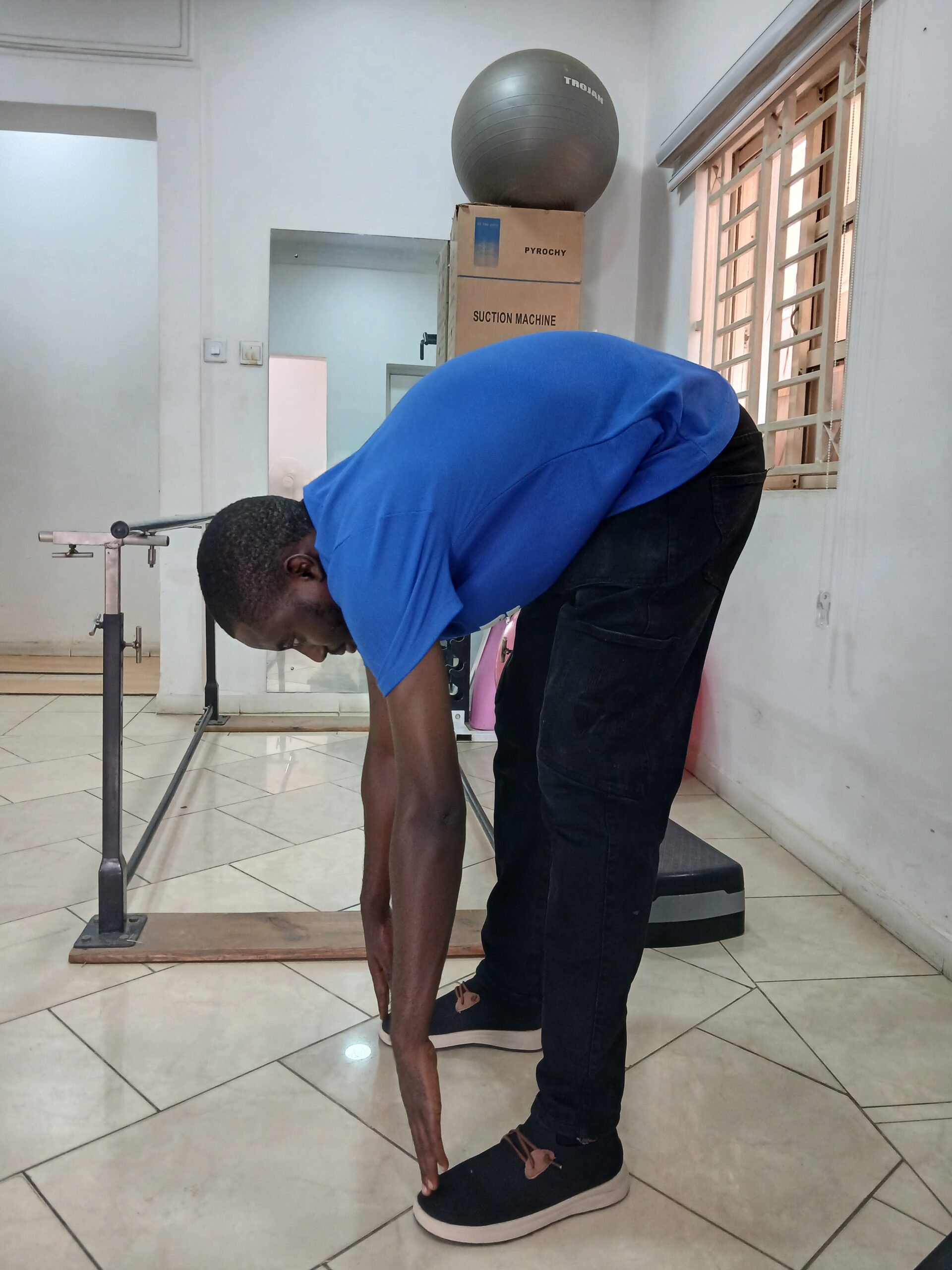
1. Check Your Deep Hip Flexor and Hamstring Range
A mid-year mobility reset must prioritize the hips, as months of prolonged sitting cause the muscles around your pelvis to shorten and stiffen significantly. Tight hip flexors and hamstrings alter your pelvic alignment, placing an unnaturally heavy strain on your lower spine whenever you stand up or walk.
-
How to perform this check: Stand up straight, place your feet together, and slowly hinge forward at your hips to reach down toward your toes while keeping your knees straight. Notice where you feel the pull—you should be able to reach your shins or toes comfortably without feeling sharp lower back tightness. If you feel severe pull or cannot reach past your knees, your hip mobility needs attention.
2. Evaluate Your Cervical and Thoracic Spine Rotation
A mid-year mobility reset requires checking how well your upper back and neck rotate, especially if you spend long hours looking at screens or driving. Humped posture locks your thoracic spine into a fixed forward position, forcing your neck joints to overwork to turn your head.
-
How to perform this check: Sit upright in a firm chair with your feet flat on the floor and your arms crossed over your chest. Without moving your hips or legs, gently rotate your upper body as far as you can to the right, and then to the left. You should be able to turn smoothly to about a 45-degree angle in both directions without feeling pinching in your back or neck.
3. Test Your Overhead Shoulder Mobility
A mid-year mobility reset should assess your shoulder girdle to ensure your thoracic spine and shoulder joints are working together properly. Rounded shoulders and tight chest muscles restrict overhead reach, leading to painful shoulder impingements and upper back knots when lifting or exercising.
-
How to perform this check: Stand with your back flat against a wall, ensuring your head, upper back, and buttocks are gently touching the surface. Raise both arms straight up overhead, trying to touch the wall behind you with your thumbs without arching your lower back away from the wall. If your back arches heavily or your arms cannot touch the wall, your shoulders are tight.
4. Screen Your Ankle Dorsiflexion and Balance
A mid-year mobility reset finishes at the base of your body by checking how well your ankles bend forward over your feet. Stiff ankles alter your natural walking stride, forcing your knees and hips to absorb unwanted shock during daily walks or outdoor autumn activities.
How to perform this check: Stand facing a wall with your big toe placed roughly 4 inches away from the baseboard. Keep your heel completely flat on the floor and push your knee forward to try to touch the wall. If your heel lifts off the ground or your knee cannot reach the wall, your calves and ankle joints are severely restricted.
The Golden Rule: Small Adjustments Prevent Major Injuries
You don’t need hours of intense stretching to restore your movement quality. Identifying your body’s weak points early allows you to perform brief, targeted movements every day to restore full function.
Mobility is a renewable resource—if you test it regularly and give restricted joints a little daily attention, your body will reward you with smooth, pain-free movement.
How did your movement checks feel?
If you struggled with any of these four self-checks, or if you felt sharp pinching or stiffness, your joints may need a guided tune-up before the busy season begins.
If you are ready to restore your range of motion, let our expert team guide you. Click HERE to schedule a targeted mobility assessment and physio session with our clinic today, and let’s get you moving effortlessly into the new season!





Leave A Comment