
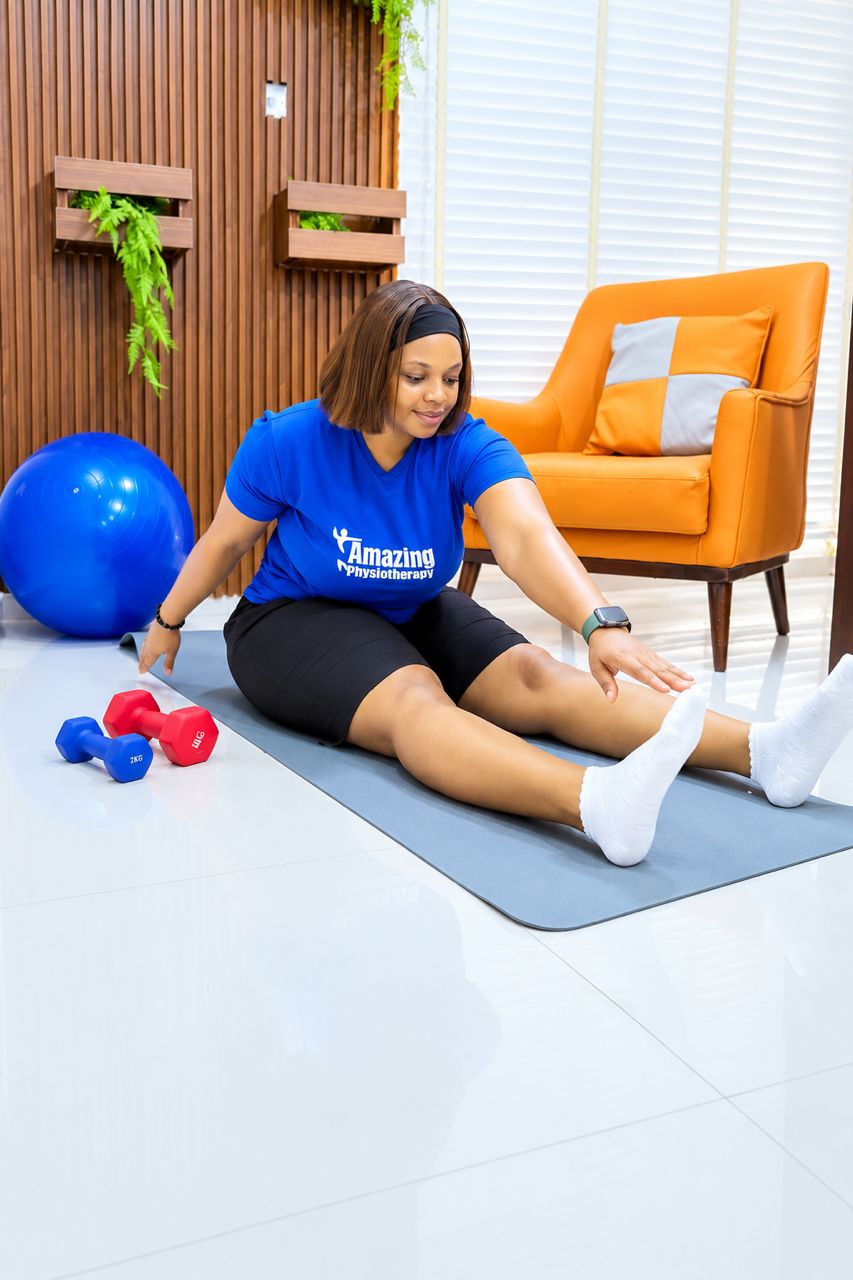
If you are over forty, you might have noticed a subtle change in how your legs feel when you get out of bed in the morning or step off the couch after a long movie. A sudden tightness, a dull ache, or a grinding sensation in the joint can make those first few steps feel rigid and painful. For many adults, walking down a flight of stairs or taking a routine stroll around the neighborhood begins to feel less like natural movement and more like an uphill battle against joint friction.
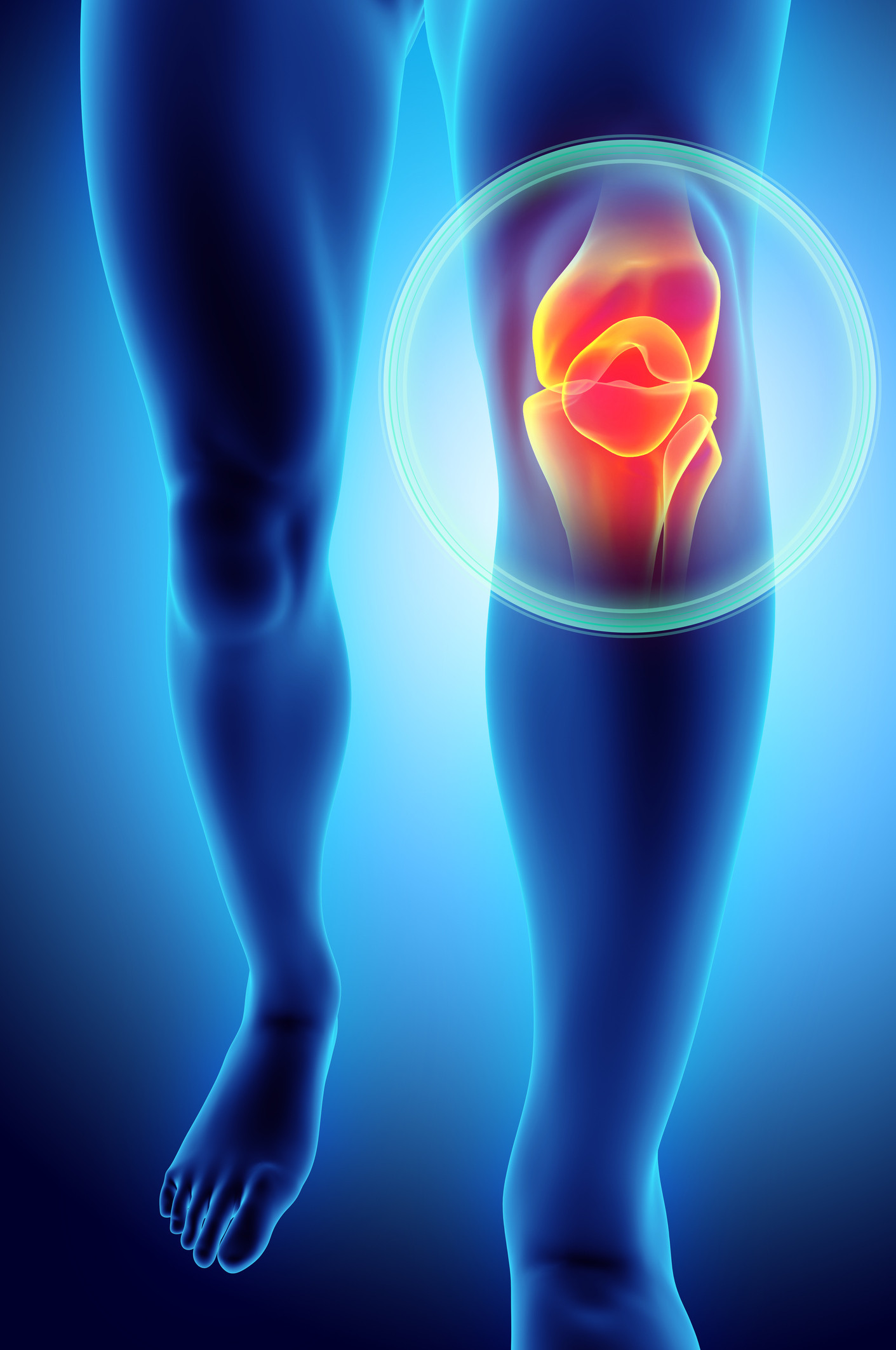
Unlocking stiff knees requires understanding that knee joint discomfort is rarely just a temporary inconvenience; it is often an early sign of cartilage wear, joint space narrowing, or osteoarthritis. When joint cartilage thins, the natural fluid that lubricates your knee drops in quality, causing the bones to glide against each other with far more friction. Many people respond to this pain by reducing their daily activity, assuming that protecting the joint means keeping it completely still.
Unlocking stiff knees through targeted movement is actually far more effective for long-term joint health than total rest. While taking a break during acute flare-ups is important, prolonged inactivity starves the joint cartilage of essential nutrients and weakens the supporting muscles around your legs. By utilizing targeted physical therapy and specific strength exercises, you can actively reduce joint pressure and move comfortably again. Let’s explore why walking hurts, how movement protects your joints, and three key exercises to offload joint pressure today.
Contents
1. The Biomechanics of Knee Joint Compression During Daily Movements
Unlocking stiff knees starts with recognizing the enormous mechanical forces your lower body handles during basic daily activities. Your knee is a complex hinge joint that bears your body weight while simultaneously absorbing shock from the ground with every step you take.
-
Understanding joint forces: When you walk on flat ground, your knees absorb force equal to roughly 1.5 times your body weight. That mechanical pressure leaps to 3 to 4 times your body weight when climbing stairs, and up to 8 times your body weight when squatting or bending deep. If the muscles around your thigh and hip are weak, your knee joint takes 100% of that compressive force directly into the cartilage, causing deep, aching pain.
2. Why Excessive Rest Makes Knee Stiffness Worse
Unlocking stiff knees cannot be achieved by staying parked on the couch, because cartilage lacks a direct blood supply to nourish itself. Unlike muscles, which receive constant nutrients from oxygen-rich blood, joint cartilage relies entirely on dynamic movement to stay lubricated and healthy.
The “sponge effect” of movement: Think of your joint cartilage like a wet sponge. When you bend and straighten your leg during low-impact walking, compressive pressure squeezes old joint fluid out, and relaxing the pressure sucks fresh, nutrient-rich synovial fluid back in. Resting too much causes this synovial fluid to thicken, leaving the joint feeling dry, stiff, and increasingly painful when you finally try to move.
3. Strengthening Exercises to Offload Knee Joint Pressure
Unlocking stiff knees requires building strong quadriceps (thighs) and glutes (buttocks) to act as natural shock absorbers for your lower body. When these muscle groups are strong, they absorb the brunt of ground impact forces before those forces can compress your knee joint.
-
Straight Leg Raises (for Quadriceps): Lie on your back with one knee bent and the affected leg extended straight. Flex your foot toward you, tighten your thigh muscle, and lift the straight leg roughly 12 inches off the ground. Hold for 3 seconds, lower slowly, and repeat 10 times per leg to build knee stability without joint grinding.
-
Seated Terminal Knee Extensions: Sit upright in a firm chair with your feet flat. Slowly extend your affected leg straight out in front of you until your knee is completely straight, squeezing your thigh muscle tightly at the top. Hold for 5 seconds and lower smoothly. Perform 12 repetitions to target the deep quad muscle that keeps your kneecap tracking properly.
-
Glute Bridges (for Pelvic & Hip Support): Lie flat on your back with both knees bent and feet flat on the floor, hip-width apart. Squeeze your buttock muscles and lift your hips toward the ceiling until your body forms a straight line from shoulders to knees. Hold for 3 seconds at the top, lower down smoothly, and repeat 10 times to take the strain off the front of your knees.
The Golden Rule: Movement is the Ultimate Lubricant
Living with knee stiffness does not mean you have to accept permanent physical decline or give up the activities you love.
Your knees thrive on gentle, controlled, low-impact motion. The right combination of daily movement and targeted strengthening keeps your cartilage nourished and your joints shock-absorbed.
Tired of struggling with stiff, aching knees?
If morning joint stiffness or stair discomfort is holding you back from enjoying your daily life, home stretches might not be enough. You deserve a personalized plan designed to restore your mobility safely.
If you are ready to walk without pain, let us help you. Click HERE to schedule a comprehensive knee and mobility evaluation with our physiotherapy team today, and let’s get you moving smoothly again!

Leave A Comment