
 As a new school term begins, parents across the country are busy gathering uniform supplies, buying textbooks, and setting up daily study routines. While ensuring academic readiness is top of mind, many families overlook the physical strain that modern schooling places on a developing child’s body. Between carrying heavy backpacks filled with textbooks and spending hours hunched over tablets and laptops for homework, children are facing unprecedented levels of musculoskeletal stress.
Protecting your child’s spine during the academic term requires recognizing that young bones, muscles, and ligaments are still actively growing and highly adaptable to daily pressures. Carrying an overloaded school bag on one shoulder or slouching over a screen for hours daily forces a child’s spine into unnatural alignments. Over time, these habits can lead to persistent neck tightness, mid-back strain, tension headaches, and early postural imbalances that follow into adulthood.
Making early ergonomic adjustments and healthy movement habits is far easier than trying to correct established spinal deformities later in life. By taking a proactive approach to bag weight, screen setup, and daily physical activity, you can ensure your child stays healthy, comfortable, and focused in the classroom. Let’s look closely at four practical, physiotherapist-approved strategies you can implement this school term to safeguard your child’s spinal health.
Contents
Heavy Backpacks and Kids: Orthopedic Risks and How to Prevent Them
1. Choose and Pack the Right School Backpack Correctly
Protecting your child’s spine begins with managing the sheer weight and design of the backpacks they carry to school every single day. An improperly worn or excessively heavy school bag forces a child to lean forward awkwardly, placing massive compressive loads on their developing lower lumbar vertebrae.
-
How to manage the backpack: Ensure your child’s backpack weighs no more than 10% -15% of their total body weight. Always insist that they use both padded shoulder straps rather than slinging the bag over a single shoulder, which pulls the spine sideways. Teach them to pack the heaviest items, like large textbooks or laptops, closest to the bag’s back panel to keep the center of gravity near their body.
2. Optimize Digital Screen Ergonomics for Homework Sessions
Protecting your child’s spine requires setting up a dedicated, ergonomically friendly study area at home for computer work and tablet reading. When children slump over devices placed flat on their laps or low on coffee tables, their chins drop to their chests, multiplying the effective weight of their head on their cervical spine up to five times.
-
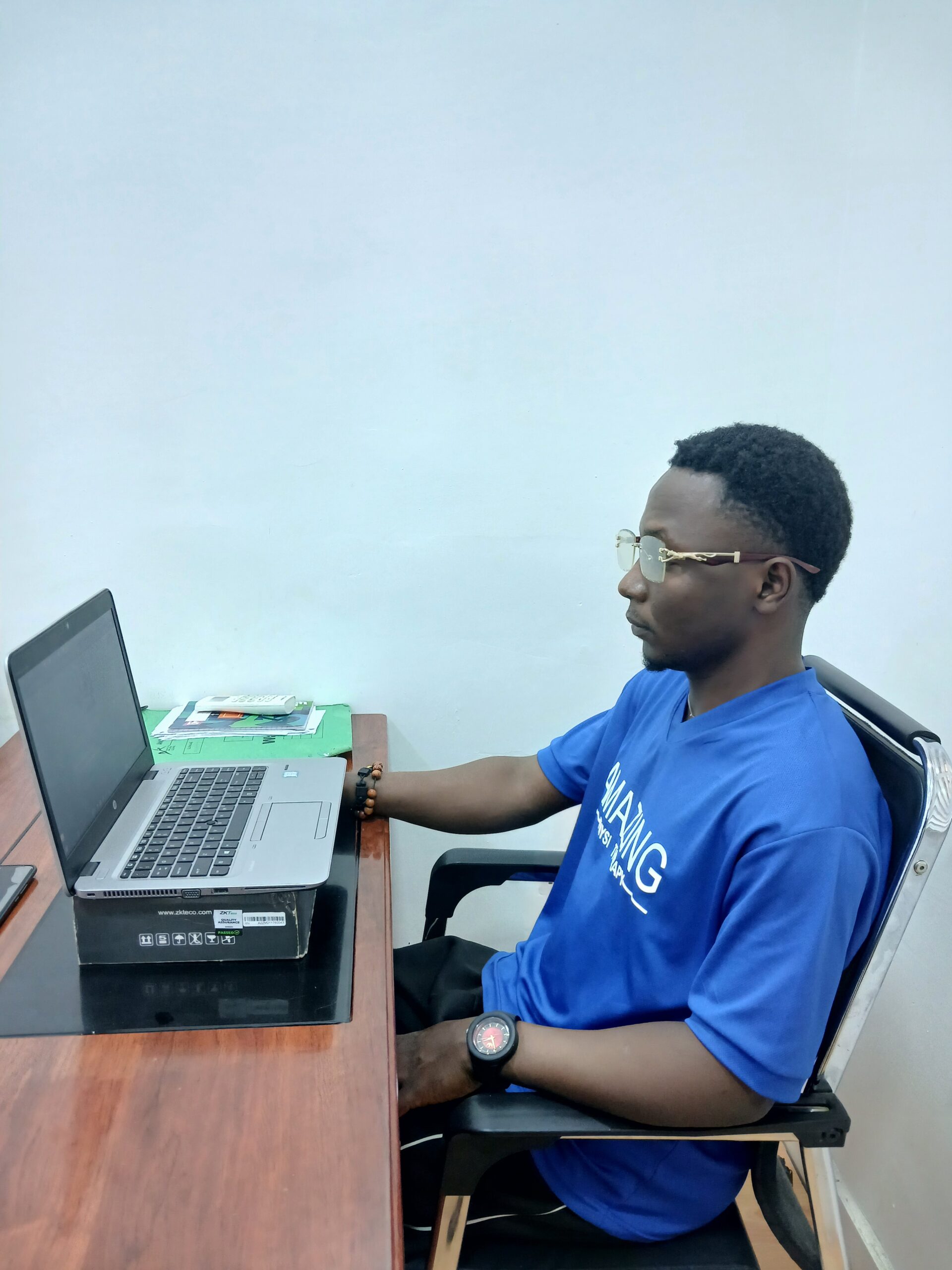
How to set up their workspace: Place your child’s computer screen or tablet on a raised stand so the top third of the screen sits at their eye level. Provide a supportive chair that allows their feet to rest flat on the floor or on a sturdy footstool, with their back supported against the chair back. Avoid letting children complete homework while lying flat on their stomachs or slouched on a soft couch.
3. Enforce the 30-Minute Movement Rule During Study Time
Protecting your child’s spine means breaking up long, static sitting sessions with frequent movement breaks during after-school study sessions. Children naturally have high energy levels, and forcing them to sit motionless for hours creates severe muscle fatigue in their core and back stabilizers, leading to slumping.
-
How to encourage movement: Set a gentle timer during homework time to remind your child to stand up every 30 minutes. Encourage them to perform 60 seconds of quick movement—such as reaching for the ceiling, doing arm circles, or taking a quick walk to drink water. These rapid movement breaks reoxygenate tired spinal tissues and help improve cognitive focus for studying.
4. Encourage Core-Strengthening Physical Activities After School
Protecting your child’s spine relies heavily on building strong, resilient trunk and back muscles that naturally support healthy alignment throughout the day. An active child with balanced muscular strength is far better equipped to withstand the physical demands of long school days without experiencing postural fatigue or pain.
-
How to build spinal strength: Limit recreational screen time after school hours and encourage at least 60 minutes of unstructured physical play. Activities like swimming, gymnastics, martial arts, basketball, or simple playground climbing build exceptional core, glute, and shoulder blade strength. These active pursuits naturally counteract the rounded, forward-leaning posture caused by sitting at school desks.
The Golden Rule: Prevention Beats Postural Strain
Children rarely complain about back pain until spinal fatigue is already advanced, making parental awareness the first line of defense against chronic posture issues.
A healthy growing spine thrives on balanced loads, proper ergonomic support, and plenty of daily physical play.
Is your child complaining of neck stiffness or shoulder pain this term?
If your child frequently rubs their neck, complains of headaches after doing homework, or leans heavily to one side when carrying their school bag, a professional evaluation can help prevent lasting issues.
If you want to ensure your child’s posture stays on track this school year, let us help. Click Here to schedule a comprehensive pediatric postural check with our physiotherapy team today, and let’s keep your child moving pain-free!

Leave A Comment