
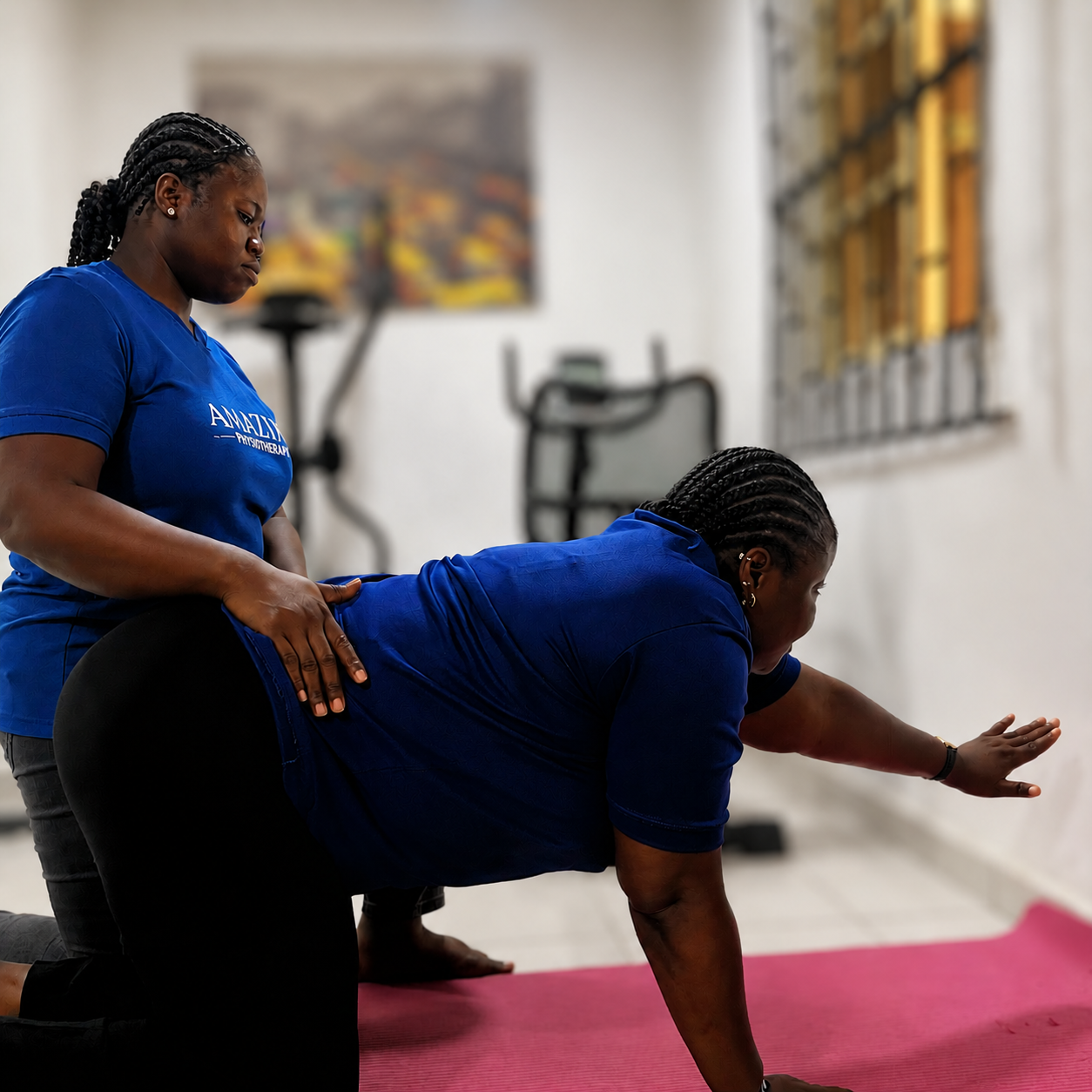
Bringing a child into the world is one of the most transformative experiences a person can go through, both emotionally and physically. However, while the postpartum period is filled with precious new routines, it also brings a quiet physical reality that many new mothers struggle with in silence. The heavy physical demands of carrying a baby for nine months, followed by labor and delivery, leave the deep abdominal muscles and pelvic floor tissues stretched, weakened, or structurally fatigued.
Rebuilding strength after pregnancy requires understanding that your body has undergone massive anatomical changes that cannot be rushed with generic, high-intensity workouts. Many women feel pressured to “bounce back” quickly by jumping straight into heavy cardio, sit-ups, or intense core routines. Unfortunately, performing traditional abdominal exercises on a healing postpartum body can actually worsen pelvic floor strain, aggravate diastasis recti (abdominal separation), and lead to lingering lower back pain or urinary incontinence.
Rebuilding strength after pregnancy is not about aesthetic fixes; it is about systematically restoring the deep muscular foundation that supports your spine, pelvis, and internal organs. By taking a targeted, evidence-based approach to postpartum rehabilitation, you can safely eliminate pelvic pressure, regain bladder control, and rebuild true core stability from the inside out. Let’s explore the hidden biomechanics of postpartum core recovery, why traditional exercises fail, and the exact steps to safely restore your physical confidence.
Contents
1. Understanding the Deep Core System and Pelvic Floor Synergy
Rebuilding strength after pregnancy begins with learning how your pelvic floor and deep abdominal muscles work together as a single, unified support capsule. During pregnancy, as your belly expands, your center of gravity shifts dramatically forward, stretching the rectus abdominis (six-pack muscles) outward and placing continuous downward pressure on your pelvic floor hammock.
-
The deep core cylinder: Your core is not just your visible stomach muscles. It functions like an internal canister. The top is your diaphragm (breathing muscle), the front and sides are your transversus abdominis (deep waist muscles), the back consists of your multifidus (spinal stabilizers), and the bottom is your pelvic floor. When one part of this canister is stretched or weakened, the entire system loses structural pressure, leaving your lower back and pelvis completely unsupported during daily activities like lifting your baby.
2. Why Traditional Abdominal Workouts Can Be Dangerous Postpartum
Rebuilding strength after pregnancy requires completely avoiding traditional exercises like crunches, sit-ups, planks, and double leg lifts during early recovery. When your deep core canister is weakened, high-pressure movements force your abdominal wall to bulge outward and push your pelvic floor downward, compounding structural damage rather than fixing it.
-
The danger of intra-abdominal pressure: Traditional crunches create a massive spike in pressure inside your abdomen. If you have diastasis recti or a weakened pelvic floor, this downward and outward pressure prevents the stretched tissues from healing together. Instead of flattening your tummy, crunches can actually drive your abdominal gap further apart and worsen symptoms of heaviness or leaking when coughing, laughing, or exercising.
3. The Role of Diastasis Recti in Postpartum Core Instability
Rebuilding strength after pregnancy must address diastasis recti, a common condition where the connective tissue (linea alba) separating your left and right abdominal muscles stretches and thins. While some separation is a completely normal part of pregnancy to accommodate a growing baby, a gap that remains wide and soft postpartum severely compromises your functional strength.
-
Identifying the symptoms: Diastasis recti is not just a cosmetic “pooch” or bulge in the stomach. When your deep core cannot close this separation, you may experience persistent lower back aching, pelvic girdle pain, poor posture, and a feeling that your stomach is “coning” or doming along the midline whenever you sit up or lift heavy objects. Restoring tension to this central line requires activation of the deepest muscle layer, not superficial sit-ups.
4. Phase 1: Restoring the Diaphragmatic Breath and Pelvic Floor Engagement
Rebuilding strength after pregnancy starts with the most fundamental, high-yield exercise available: gentle, coordinated diaphragmatic breathing. Re-establishing the neurological connection between your breath, deep abdominals, and pelvic floor is the critical first step before adding any physical weight or resistance.
-
How to practice gentle core breathing: Lie flat on your back with your knees bent and feet flat on the floor. Place one hand on your chest and one on your lower belly. Inhale slowly through your nose, allowing your ribs and belly to expand gently while relaxing your pelvic floor. As you exhale slowly through gently pursed lips, draw your pelvic floor gently upward and inward (as if stopping the flow of urine), while pulling your belly button toward your spine. Repeat this subtle activation for 2 to 3 minutes daily.
5. Phase 2: Progressing to Low-Impact Deep Stability Exercises
Rebuilding strength after pregnancy moves into functional, low-impact movements once you can coordinate your breath with your pelvic floor without doming or pelvic pressure. These gentle exercises train your body to stabilize your spine while moving your arms and legs, mimicking real-life parenting tasks like carrying a car seat.
-
The Heel Slide: Lie on your back in the neutral breath position. Inhale to prepare, and as you exhale, engage your deep core while slowly sliding one heel along the floor away from you until your leg is straight. Inhale to slide it smoothly back to the starting position. Perform 8 to 10 controlled repetitions per leg without letting your lower back arch off the floor.
-
The Supine March: Maintain the same starting position on your back. Exhale to lift one bent knee up to a 90-degree tabletop position, maintaining a perfectly still, stable pelvis. Lower it slowly back down on your inhale, and switch to the opposite side. Perform 10 controlled marches per leg to build deep pelvic stability.
-
The Side-Lying Clamshell: Lie on your side with your knees bent at a 90-degree angle and your hips stacked directly on top of each other. Exhale, draw your lower belly in, and slowly open your top knee like a clamshell while keeping your feet together. Lower it down smoothly. Perform 12 repetitions per side to strengthen your glutes and stabilize your pelvis.
6. Phase 3: Transitioning Back to Full Functional Movement Safely
Rebuilding strength after pregnancy culminates in integrating core stability into daily functional activities like squatting, lifting, carrying, and eventually higher-impact sports. Returning to full activity should always be guided by how your body feels during and after movement, rather than an arbitrary timeline.
-
Monitoring your body’s warning signs: As you introduce heavier household tasks, longer walks, or gym workouts, pay close attention to internal feedback. If you experience urinary leaking, pelvic heaviness, lower back pain, or visible doming along your abdomen, your body is telling you that the current load exceeds your deep core’s capacity. Scale back the intensity slightly and focus on reinforcing your foundational breathing and alignment.
The Golden Rule: Patience and Consistency Over Speed
Healing postpartum tissues takes time, grace, and consistent micro-habits. Your body spent nine full months adapting to carry a baby, and giving yourself adequate time to rehabilitate ensures a lifetime of strong, pain-free movement.
True core confidence isn’t about rushing back to extreme workouts; it is about building an unbreakable internal foundation that allows you to move, lift, and live with total freedom.
Are you struggling with postpartum core or pelvic floor strain?
If you are dealing with persistent abdominal separation, lower back pain, or pelvic discomfort after having a baby, you do not have to navigate recovery alone. A specialized evaluation can pinpoint your weak links and give you a safe, clear path forward.
If you are ready to rebuild your core strength safely and confidently, let us help. Click HERE to schedule a specialized postpartum core and pelvic floor assessment with our physiotherapy team today, and let’s get you feeling strong again!

Leave A Comment